
How to Choose the Best Interior Designer in Mallorca
Why Choosing the Right Designer Matters
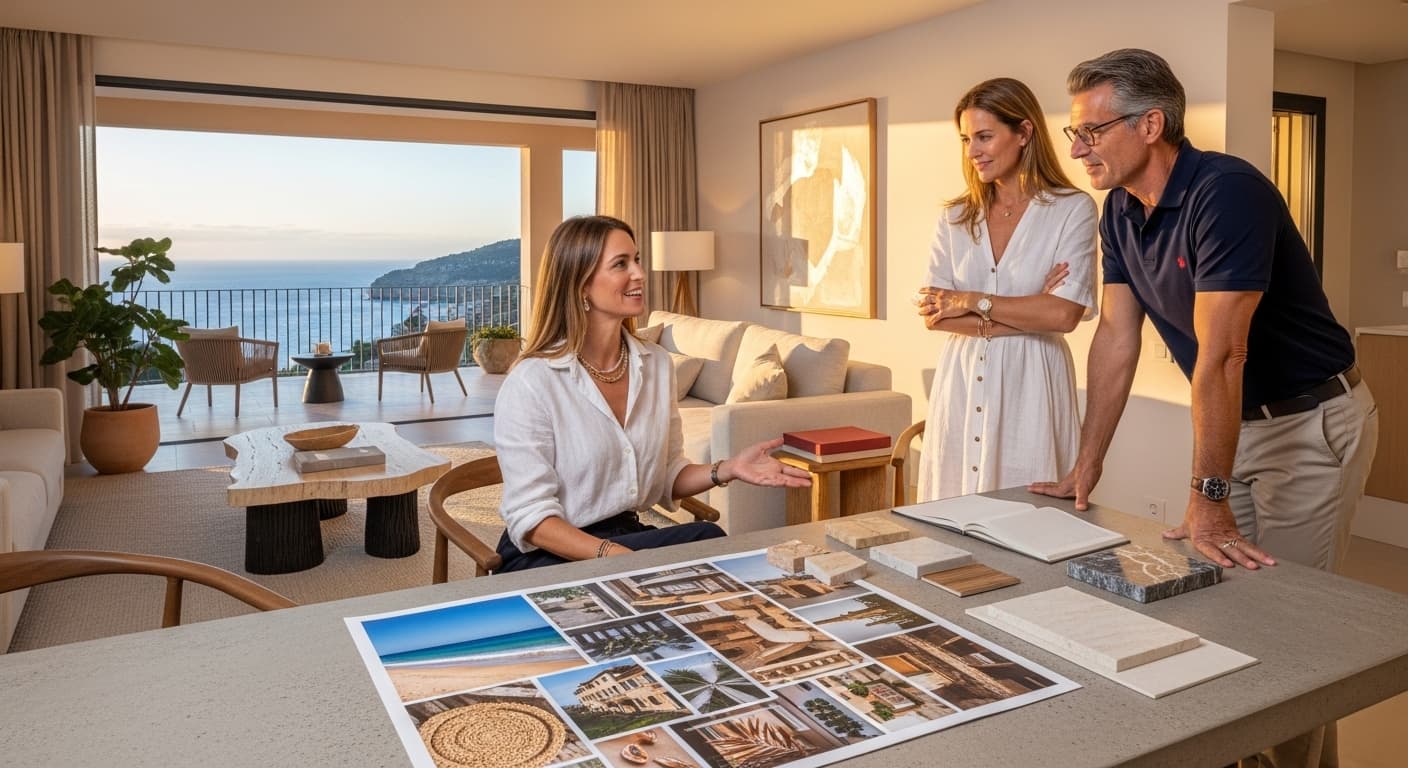
Hiring an interior designer is one of the most consequential decisions you will make for your Mallorcan property. The right designer transforms a house into a home that reflects your personality, functions effortlessly for your lifestyle, and respects the architectural and cultural context of the island. The wrong one can drain your budget, delay your project by months, and leave you with interiors that feel disconnected from both you and the place.
Mallorca's property market has grown significantly, and with it the number of professionals offering design services. This abundance of choice is both a blessing and a challenge. Among the best interior designers in Mallorca, you will find deeply experienced professionals with decades of island knowledge alongside talented newcomers who bring fresh perspectives from Barcelona, London, Milan, and Berlin. Knowing how to evaluate them requires clarity about your own needs and an understanding of what distinguishes genuine expertise from polished marketing.
This guide walks you through every step of the selection process, from initial research to contract signing, so you can approach the decision with confidence.
Define Your Project Before You Search
Before reaching out to any designer, spend time clarifying your own requirements. The more precisely you can articulate what you need, the more productive your initial conversations will be, and the more accurately designers can assess whether they are the right fit.
Start with the basics. What is the scope of your project? Are you furnishing an empty property, refreshing an existing interior, or undertaking a full renovation that includes structural work? Each scenario demands different skills and experience. A designer who excels at selecting furniture and finishes may not have the technical background to manage a complex renovation involving architects, engineers, and multiple construction trades.
Consider your timeline. Are you working toward a specific deadline, such as having your holiday home ready for summer, or is the project open-ended? Designers with full order books may not be able to accommodate tight timelines, while others may offer faster turnarounds for straightforward projects.
Establish a realistic budget range. You do not need an exact figure at this stage, but having a broad range in mind, such as 50,000 to 80,000 euros or 150,000 to 200,000 euros, allows designers to calibrate their proposals accordingly. A designer who typically works on multi-million-euro villas in Son Vida may not be the best match for a modest apartment renovation in Santa Catalina, and vice versa.
Where to Find Interior Designers in Mallorca
The search for the best interior designers in Mallorca typically begins in several places. Personal recommendations from friends, neighbours, or your real estate agent are often the most reliable starting point. Someone who has been through a design project on the island can share firsthand insights about a designer's communication style, reliability, and the gap between promise and delivery.
Architectural and design publications that cover the Balearics, such as Mallorca Living, Abcmallorca, and international titles like Architectural Digest and Elle Decoration, regularly feature island-based designers. Being published in reputable outlets indicates a level of professionalism and design quality, though it should not be your sole criterion.
Social media, particularly Instagram, has become a powerful showcase for designers. It offers an immediate visual impression of their style, but treat it with healthy scepticism. Curated feeds can be misleading; always ask to see completed projects in person or via detailed project documentation rather than relying solely on styled photographs.
Design showrooms in Palma, particularly along Carrer de Sant Feliu and in the Jaime III area, often have relationships with local designers and can provide recommendations. Similarly, high-end real estate agencies in areas like Andratx, Deià, and Son Vida maintain lists of trusted interioristas en Mallorca they recommend to buyers.

Evaluating a Designer's Portfolio
A portfolio is the single most important tool for evaluating a designer. It should demonstrate not just aesthetic skill but also versatility, problem-solving ability, and an understanding of how people actually live in spaces.
Look for Range Within a Coherent Style
The best designers have a recognisable sensibility but can adapt it to different contexts and client preferences. If every project in a portfolio looks identical, the designer may be imposing their own style rather than responding to each client's unique needs. Conversely, if there is no visible thread connecting the projects, the designer may lack a clear point of view.
Assess the Mallorcan Context
Does the portfolio include projects on the island? A designer with experience in Mallorca will understand the specific challenges of working here: the intense light, the humidity, the logistics of island procurement, the local building regulations, and the cultural nuances of Mallorcan architecture. A London-based designer with a stunning portfolio of Notting Hill townhouses may produce beautiful work, but will they know how to source marès stone or navigate a Palma Old Town renovation permit?
Request Before and After Documentation
Before and after photographs reveal the designer's ability to transform a space. They show how the designer addressed practical challenges such as awkward layouts, low ceilings, poor natural light, or dated infrastructure. This evidence of problem-solving is far more valuable than a glamorous image of a perfectly styled room.
Ask About the Project's Budget
Without needing exact figures, ask whether a portfolio project was completed on a budget similar to yours. A designer can produce stunning results at any price point, but the skills required to deliver a high-impact design on a limited budget differ from those needed for an unlimited one.
Essential Questions to Ask
An initial consultation with a prospective designer should feel like a two-way interview. You are assessing them, and they should be assessing you. Here are the questions that will give you the most useful information.
- What is your design process from start to finish? A clear, structured process indicates professionalism. Look for distinct phases: briefing, concept development, detailed design, procurement, and installation. Designers who cannot articulate their process clearly may struggle with project management.
- How do you handle budget management? The best designers are transparent about costs from the outset. They should be willing to provide detailed cost estimates, track spending against budget, and flag potential overruns early rather than presenting surprises at the end.
- Who will be my day-to-day contact? In larger studios, the principal designer may lead the initial pitch but hand off daily management to a junior team member. There is nothing wrong with this, but you should know upfront who you will be communicating with regularly.
- Can you provide references from previous clients? Reputable designers will happily connect you with past clients. When you speak to references, ask not just about the final result but about the experience: communication, responsiveness, handling of problems, and adherence to budget and timeline.
- What is your experience with local suppliers and contractors? A designer who knows Mallorca's supplier ecosystem can source materials more efficiently, negotiate better prices, and avoid unreliable contractors. This local knowledge is one of the primary advantages of working with an island-based professional.
- How do you handle changes and revisions during the project? Scope changes are inevitable in any design project. Understanding how the designer manages them, whether through formal change orders with cost implications or a more flexible approach, helps set expectations for the working relationship.
Understanding Fee Structures
Interior design fees in Mallorca follow several models, each with advantages and potential pitfalls. Understanding these before you sign a contract is essential.
Percentage of Project Cost
Many designers charge a percentage of the total project expenditure, typically between 10 and 20 percent. This model aligns the designer's compensation with the project's scale but can create a misalignment of incentives: the more you spend, the more the designer earns. Ensure there is a cap or a clear agreement on what constitutes the project cost base.
Fixed Fee
A flat fee for the entire project provides budget certainty for the client. However, it requires a well-defined scope at the outset, as any additions or changes may incur additional charges. This model works best for clearly defined projects where the scope is unlikely to change significantly.
Hourly Rate
Some designers bill by the hour, which offers transparency but can lead to uncertainty about total costs. If you choose this model, ask for a projected hours estimate and regular time tracking updates so you can monitor spending.
Procurement Markup
In addition to their design fee, many designers apply a markup to items they procure on your behalf, typically between 15 and 30 percent. This is standard practice and covers the designer's time spent sourcing, ordering, tracking, inspecting, and coordinating deliveries. However, it should be disclosed transparently.
Regardless of the fee structure, ensure you receive a written contract that specifies the scope of services, the fee arrangement, payment milestones, and the process for handling changes, delays, and disputes.
Local vs International Designers
Mallorca attracts designers from across Europe and beyond. Both local and international designers can produce exceptional work, but each brings different strengths.
A Mallorca-based interior designer will typically have an established network of local suppliers, contractors, and artisans. They understand the island's building regulations, know which contractors are reliable, and can respond quickly to site issues because they are physically present. They are also more likely to understand the subtle cultural dynamics of working in Mallorca, from navigating the seasonal rhythms of the construction industry to managing relationships with traditional craftspeople who prefer face-to-face communication.
An international designer may bring a fresh design perspective and access to a broader range of global suppliers and brands. If you have a strong preference for a particular aesthetic that is not well represented locally, an international designer may be better positioned to deliver it. However, they will need a reliable local presence, either through a partner firm or a project manager on the ground, to manage the day-to-day realities of an island-based project.
The ideal scenario is often a designer who bridges both worlds: someone with international training and exposure who has chosen to base themselves in Mallorca and has built deep local connections over time.
The Importance of Local Supplier Knowledge
One of the most underappreciated aspects of hiring the best interior designers in Mallorca is their supplier knowledge. The island has a finite but high-quality ecosystem of material suppliers, furniture showrooms, lighting specialists, and fabric houses.
A designer who knows this ecosystem can identify the best value across suppliers, negotiate trade discounts, and avoid the costly mistakes that come from ordering materials that are inappropriate for Mallorca's climate. For example, certain types of wood warping in the humidity, iron fittings rusting in the salt air near Portixol, or fabrics fading quickly in the intense light of a south-facing terrace in Andratx.
Local supplier relationships also improve logistics. Mallorca's geographic isolation means that shipping delays are a constant risk. A designer with strong local partnerships can source alternatives quickly when international orders are delayed, keeping your project on track.
Understanding Local Regulations
If your project involves any construction or structural changes, your designer must understand Mallorca's regulatory framework. Building permits in the Balearic Islands involve multiple layers of approval, and properties in protected zones, heritage areas, or rural land face additional restrictions.
In Palma's Old Town, for example, even interior modifications to listed buildings require approval from the heritage protection office. In rural areas, environmental impact assessments may be needed. A designer who has navigated these processes before can advise on what is feasible, estimate realistic timelines for permits, and work effectively with architects and legal advisors.
This regulatory knowledge is not a glamorous selling point, but it is one of the most practically valuable things a diseñador de interiores en Mallorca can bring to your project. Without it, you risk costly delays, fines, or even having to reverse completed work that lacked proper authorisation.
Red Flags to Watch For
Knowing what to avoid is just as important as knowing what to look for. Here are warning signs that should give you pause.
- No written contract or vague terms: Any professional designer should provide a clear, detailed contract before work begins. Handshake agreements, no matter how friendly, leave both parties exposed.
- Reluctance to provide references: If a designer is unwilling or unable to connect you with previous clients, question why. Confidentiality can explain some hesitance, but a total refusal is a red flag.
- Unrealistic timelines or budget promises: If a designer promises to complete a full renovation in half the time or at half the cost that others quote, be wary. Unrealistic promises often lead to cut corners, cost overruns, or abandoned projects.
- Poor communication during the selection process: How a designer communicates before they have your business is usually the best you will experience. If they are slow to respond, vague in their answers, or dismissive of your concerns during the courtship phase, expect worse once work begins.
- No evidence of insurance: Professional indemnity insurance protects you if something goes wrong. Designers who cannot demonstrate adequate coverage may be operating at a level of informality that poses risks to your project and your investment.
- Pressure to commit quickly: A confident, established designer will give you time to make your decision. High-pressure sales tactics suggest a designer who needs your project more than you need their expertise.
Project Management: The Hidden Differentiator
Design talent gets the attention, but project management is what separates a smooth, enjoyable experience from a stressful, over-budget ordeal. When evaluating the best interior designers in Mallorca, pay close attention to how they manage the practical side of delivery.
A well-managed project includes a detailed timeline with milestones, regular progress updates (weekly is ideal for active projects), transparent budget tracking, and a clear process for making decisions and approving changes. The designer should maintain a comprehensive schedule of all items on order, their expected delivery dates, and their installation sequence.
On-site coordination is particularly important in Mallorca, where multiple trades often work simultaneously in properties undergoing renovation. The designer or their project manager should conduct regular site visits to ensure work quality, verify that specifications are being followed, and resolve issues before they escalate.
Ask prospective designers how many projects they manage simultaneously. A designer juggling ten projects will inevitably give yours less attention than one managing four or five. There is no magic number, but transparency about their current workload is a positive sign.
Making Your Decision
After meeting several designers, reviewing portfolios, checking references, and understanding fee structures, trust a combination of evidence and instinct. The right designer should tick the practical boxes: relevant experience, clear process, transparent fees, strong local knowledge. But they should also be someone you genuinely enjoy talking to and whose vision excites you.
Interior design is an intimate, collaborative process. You will share personal preferences, discuss budgets, make hundreds of decisions together, and navigate inevitable challenges. The working relationship needs mutual respect, clear communication, and a shared commitment to creating something exceptional.
In Mallorca, where the pace of life encourages deeper connections and more considered choices, take the time to find a designer who not only meets your practical requirements but who understands what this island, and this home, mean to you.
The best interior designer for your Mallorca project is not necessarily the most famous or the most expensive. It is the one who listens most carefully, understands your vision, and has the skill and local knowledge to bring it to life within your budget and timeline.
A Final Checklist
- Define your scope, budget, and timeline before searching
- Shortlist three to five designers based on portfolio relevance
- Meet each designer in person, ideally at your property
- Ask all the questions listed in this guide
- Request and follow up on client references
- Compare fee structures and contract terms in writing
- Verify insurance and professional credentials
- Trust your instinct about chemistry and communication style
- Take your time; the right decision now saves months of frustration later
Choosing an interior designer in Mallorca is an investment in your home and your quality of life on the island. Approach it with the same care you would give to any important decision, and the rewards will be evident every day you walk through your door.